Common Causes of Cracks in Commercial Concrete Slabs
To address common causes of cracks in commercial concrete slabs, local contractors can assess and repair damage to ensure stability and prevent further deterioration.
Understanding the common causes of cracks in commercial concrete slabs can help property owners prevent costly repairs and maintain the integrity of their structures. Cracks may develop due to a variety of practical reasons, including soil movement beneath the slab, improper mixing or curing during installation, or fluctuations in moisture levels. Recognizing these factors allows property owners to identify potential issues early and seek guidance from experienced local contractors who specialize in concrete repair. These professionals can assess the situation, pinpoint the root causes, and recommend effective solutions to restore the strength and durability of the slab.
Exploring the reasons behind cracks in commercial concrete slabs is a valuable step for those looking to protect their investment and ensure safety. Local service providers are equipped to address these concerns by offering specialized crack repair services tailored to the specific causes identified. Whether the cracks stem from settlement, temperature changes, or other common issues, connecting with knowledgeable local contractors can lead to timely, professional repairs that help extend the lifespan of the concrete. Keep reading to learn more about how understanding these causes can guide property owners toward the right solutions for maintaining solid, reliable commercial spaces.
- Commercial concrete slab crack repair services are often needed when settling or ground movement causes cracks in slabs used for loading docks or parking lots, with local contractors addressing these issues through specialized crack sealing and reinforcement techniques. Foundation settlement cracks in commercial slabs may require repair services when soil shifts lead to uneven surfaces, and local service providers utilize assessment and stabilization methods to restore stability. Temperature-related cracking can occur in slabs exposed to extreme weather changes, prompting property owners to seek repair solutions that local pros perform with controlled expansion joint installation and crack injection. Heavy traffic or equipment stress can cause fatigue cracks in commercial slabs, with local contractors offering repair options that reinforce the slab and prevent further damage. Poor initial concrete placement might result in cracks over time, leading businesses to contact local service providers for crack repair that includes proper surface preparation and sealing to prolong slab life.
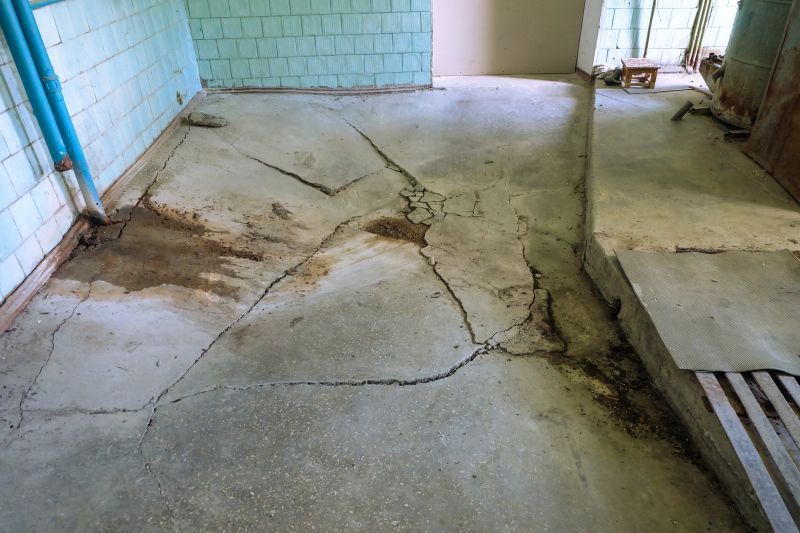
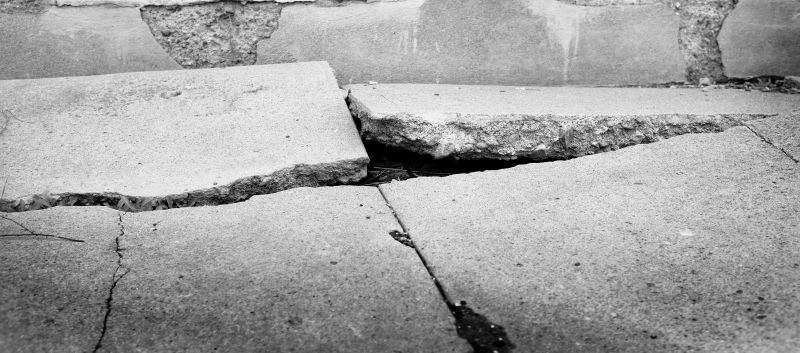
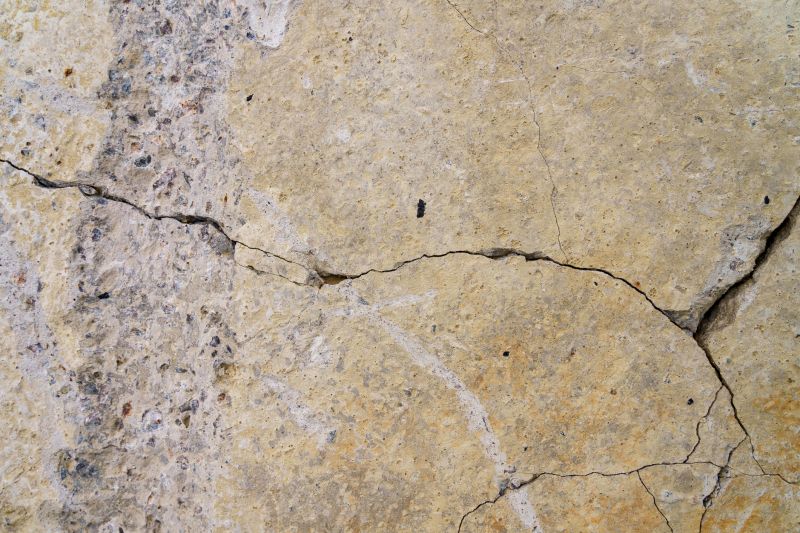
Understanding the common causes of cracks in commercial concrete slabs is essential for property owners and managers who want to maintain the integrity and safety of their facilities. When searching this topic, many are looking to identify why their concrete surfaces are developing cracks, whether these are surface-level hairline fractures or more significant structural issues. These cracks can impact the usability, appearance, and longevity of commercial properties such as warehouses, retail centers, parking lots, or industrial facilities. Recognizing the root causes helps property owners plan effective repairs and prevent future damage, making it a key concern for those managing large-scale concrete installations.
Cracks in commercial concrete slabs often relate to problems that occur during or after the installation process, or from ongoing environmental and load-related stresses. Common issues include improper mixing or curing techniques, which can lead to weaknesses in the concrete as it sets. Excessive or uneven loading from heavy equipment or vehicles can also cause stress fractures, especially if the concrete was not designed to withstand such forces. Additionally, soil movement beneath the slab-due to settling, expansion, or contraction-can create tension that results in cracking. Understanding these factors helps property owners recognize whether cracks are a sign of installation issues, overloading, or ground movement, and highlights the importance of consulting experienced service providers for repairs.
Certain types of properties are more prone to experiencing cracks in their concrete slabs due to their usage and environmental exposure. Large commercial parking lots and loading docks are often subjected to heavy vehicle traffic, which can accelerate cracking if the slabs are not properly reinforced. Industrial facilities with frequent equipment movement or storage areas with heavy loads also face increased stress on their concrete surfaces. Moreover, properties located in regions with significant temperature fluctuations or expansive soils are more susceptible to ground movement that causes cracks. Recognizing the specific vulnerabilities of different property types helps owners understand the importance of tailored repair strategies and the role local contractors play in addressing these issues effectively.
For property owners dealing with cracks in their commercial concrete slabs, connecting with experienced service providers is a practical step toward restoring safety and durability. Local contractors specializing in concrete repair have the knowledge to diagnose the underlying causes of cracks and recommend appropriate solutions. Whether it’s patching surface cracks, addressing structural issues, or reinforcing slabs to prevent future damage, these professionals can provide the expertise needed to handle various problems. By working with trusted local service providers, property owners can ensure that repairs are performed correctly, helping to extend the lifespan of their concrete surfaces and maintain the property's overall value and functionality.
Industrial flooring installation - professionals in industrial flooring often work with concrete slabs and understand how factors like improper mixing or curing can lead to cracks, making them well-suited to address related issues.
Parking lot construction - local contractors specializing in parking lot projects are familiar with soil conditions and load stresses that contribute to cracking in commercial concrete slabs.
Foundation repair services - experts in foundation work have experience identifying and correcting underlying causes of cracks, such as settlement or shifting soil, which can affect concrete slabs.
Sidewalk and walkway installation - service providers in this area deal with slab expansion and contraction, helping to prevent and repair cracks caused by temperature fluctuations and ground movement.
Retaining wall construction - these specialists understand soil pressure and moisture issues that can induce cracking in adjacent concrete slabs, enabling them to provide effective repair solutions.
Concrete polishing and resurfacing - professionals in surface finishing are skilled in addressing surface cracks and restoring slab integrity, often dealing with the same causes as cracks in commercial concrete slabs.
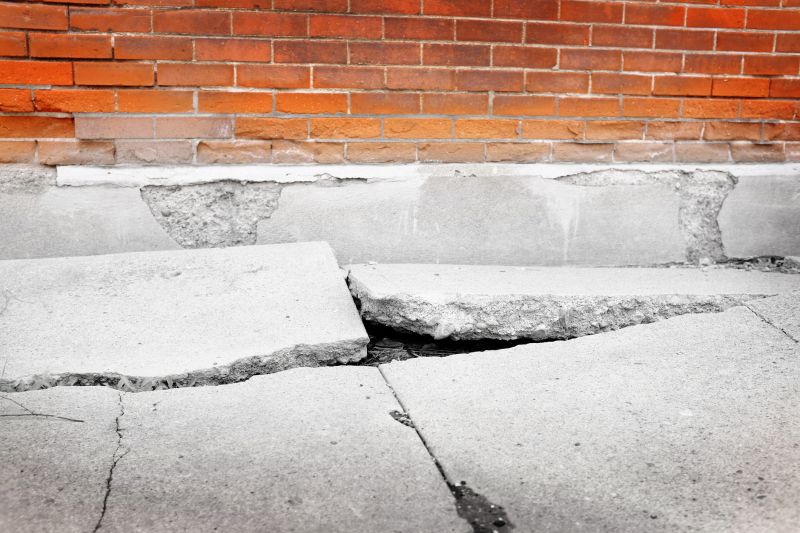
When evaluating commercial concrete slab crack repair services, it is important to consider the experience of local contractors with similar projects. Contractors who have handled repairs for commercial slabs similar in size, load requirements, and environmental conditions are more likely to understand the common causes of cracks in commercial concrete slabs and how to address them effectively. Asking about their past work on comparable projects can provide insight into their familiarity with the specific challenges posed by common causes of cracks, such as soil settlement, improper curing, or thermal expansion.
Clear, written expectations are essential when comparing service providers for concrete slab repairs. A reputable contractor will be able to outline the scope of work, the methods they plan to use, and the materials involved in a way that is easy to understand. This transparency helps ensure that both parties are aligned on the repair process and that the contractor’s approach is appropriate for addressing the underlying causes of cracks. Detailed documentation also provides a basis for evaluating the quality of the repair work and helps prevent misunderstandings or surprises during or after the project.
Reputable references and good communication are key factors to consider when choosing local contractors for concrete slab crack repair. Contractors with positive references from previous clients can offer reassurance about their reliability and the quality of their work. Additionally, effective communication-such as responsiveness to questions, clarity in explaining repair options, and willingness to provide updates-indicates a professional approach and a commitment to customer satisfaction. These qualities contribute to a smoother repair process and help ensure that the work is completed to a high standard, addressing the common causes of cracks in commercial concrete slabs effectively.
Property owners often search for common causes of cracks in commercial concrete slabs when they are planning practical projects around their homes and businesses. Local pros provide Commercial Concrete Slab Crack Repair services for everyday jobs and straightforward project options.
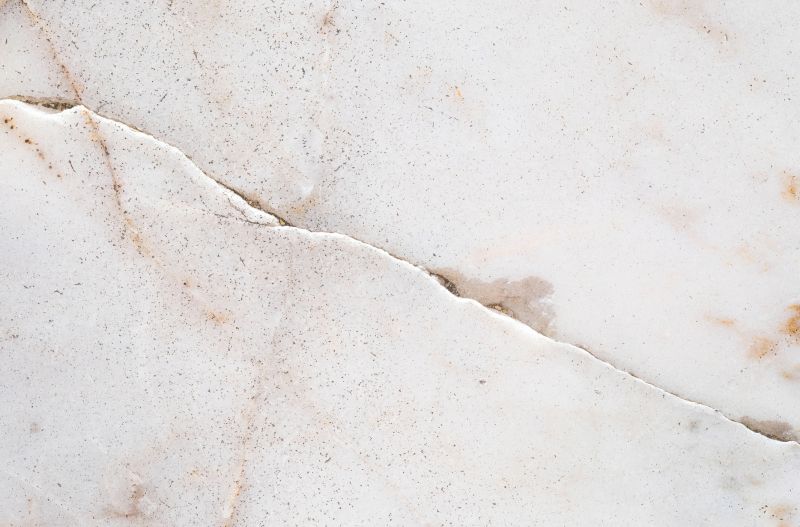
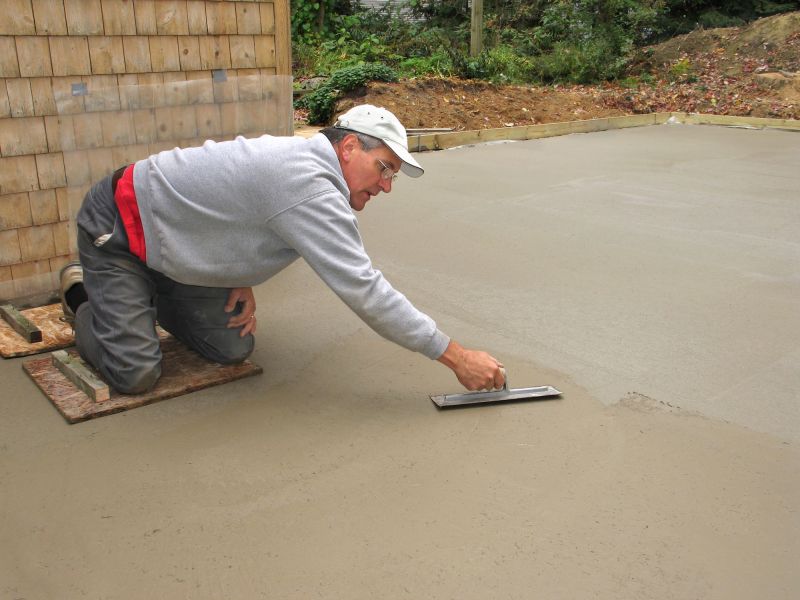
Understanding the common causes of cracks in commercial concrete slabs can help property owners identify issues early and seek appropriate repairs. Many cracks develop due to everyday project situations such as improper finishing techniques, inadequate curing, or uneven subgrade preparation. Heavy equipment or foot traffic during construction can also cause stress on the slab, leading to surface or structural cracks over time. Recognizing these typical problems allows property owners to work with local contractors who specialize in concrete repair, ensuring that cracks are properly assessed and addressed to maintain the integrity of the slab.
Other frequent reasons for cracking include thermal expansion and contraction, which occur with temperature changes, and shrinkage as the concrete cures and dries. Poor joint placement or failure to control joints can also result in random cracking. Additionally, soil movement beneath the slab, whether from settling or moisture fluctuations, can create pressure that causes cracks to form. When cracks appear, it’s advisable to consult experienced local service providers who can evaluate the cause and recommend suitable commercial concrete slab crack repair solutions to restore safety and functionality.
What are common causes of cracks in commercial concrete slabs? Common causes include soil movement, improper curing, and heavy loads that exceed the slab's capacity, which can lead to cracking over time.
How does soil settlement contribute to concrete slab cracks? Soil settlement can cause uneven support beneath the slab, resulting in stress and cracking as the concrete shifts or sinks.
Can environmental conditions cause cracks in concrete slabs? Yes, exposure to freeze-thaw cycles, moisture changes, and temperature fluctuations can cause expansion and contraction, leading to cracks.
What role does improper installation play in cracking concrete slabs? Poor preparation, inadequate reinforcement, or improper curing during installation can weaken the slab and increase the likelihood of cracking.
How can local contractors help with cracks caused by these issues? Experienced service providers can assess the underlying causes, perform necessary repairs, and reinforce slabs to prevent future cracking.
Soil settlement issues - property owners can work with local contractors to assess and stabilize the ground beneath slabs, preventing future cracks caused by shifting soil.
Heavy loads and traffic - planning for proper load distribution and consulting local pros can help reinforce slabs to withstand daily use without cracking.
Poor curing practices - property owners can ensure proper curing methods are followed during installation by hiring experienced service providers to minimize cracking risks.
Temperature fluctuations - local contractors can implement joint placement and expansion techniques to accommodate thermal movement and reduce crack formation.
If you are thinking about common causes of cracks in commercial concrete slabs for a property, this guide is meant to help you understand this topic, the typical project types, and how different options might fit your plans.
When you are ready, you can use the quote form on this page to share a few details about your project. From there, local pros can review the basics and follow up with options that match what you have in mind.